
 By Byeong
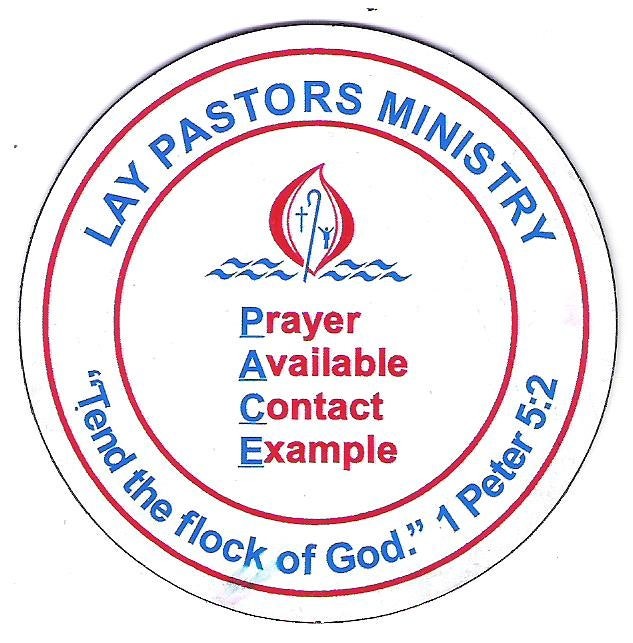
Lay Pastors Ministry (LPM) is the broader vision of ministry, while PACE is one of the practical methods within that vision. A simple principle often used is SIBKIS—See It Big, Keep It Simple. LPM helps us see the larger picture, whereas PACE keeps the ministry practical and personal.
LPM addresses the entire ministry of caring within the church, while PACE focuses specifically on the caring ministry of lay pastors. In other words, PACE describes what lay pastors do, while LPM describes how the entire church is organized to support that ministry.
There are several important distinctions between PACE and LPM.
First, PACE emphasizes one-to-one caring relationships. It encourages each lay pastor to build a personal relationship with individuals or families, praying for them, staying available, maintaining regular contact, and leading by example. Through these personal relationships, people experience the love and care of Christ.
LPM, however, is much broader. It is not simply about individual relationships but about creating a church-wide culture of care. It provides the leadership structure, vision, organization, and ministry system that enable hundreds of one-to-one relationships to function together as one common ministry.
PACE is therefore relationship-centered, while LPM is system-centered. PACE defines the ministry task; LPM defines the ministry culture and direction. PACE is the daily work of lay pastors, whereas LPM is primarily the responsibility of the senior pastor, who provides vision, leadership, training, and oversight.
Melvin’s two books illustrate this distinction well. His first book focuses on PACE, explaining the ministry of personal caring. His second book develops the larger concept of Lay Pastors Ministry, showing how the church can build a sustainable ministry structure. Each book is complete in itself, but together they provide a fuller picture. Like two paintings displayed side by side, they complement one another and create greater strength, unity, and vision.
PACE alone can produce meaningful one-to-one care, but if a church desires lasting and widespread impact, those individual relationships must become a shared ministry. That is where LPM becomes essential. It provides the organizational framework that connects individual efforts into one coordinated ministry, allowing the church to achieve far greater results.
Over the years, I have helped introduce this ministry in more than 150 churches. Through these experiences, I have learned that the success of the ministry depends largely on the relationship between lay pastors and the senior pastor. While the ministry ultimately benefits the entire congregation, its direction and effectiveness are greatly influenced by the pastor’s leadership.
This is not an easy responsibility. The senior pastor is not simply another participant but the primary leader who casts the vision, establishes the structure, and guides the ministry. Without pastoral leadership, Lay Pastors Ministry cannot flourish.
For this reason, Melvin introduced the concept of the Ministry Leadership Group (MLG). The MLG consists of a small team, usually four to eight experienced lay pastors, who share responsibility for the success of the ministry. They assist the senior pastor in planning, training, communication, and ministry development. Together, they help ensure that PACE is not merely practiced by individuals but becomes the caring culture of the entire church.
When PACE and Lay Pastors Ministry work together, the church moves beyond isolated acts of care. It develops a unified ministry in which every caring relationship contributes to the larger mission of the church. Personal care becomes a church culture, and the church more fully reflects the caring ministry of Jesus Christ.