

 By Byeong
One of the greatest challenges in today’s churches is that training programs are often too long. Many Christians today are no longer spiritual beginners. They have grown in their faith, possess basic biblical knowledge, and genuinely want to serve. Yet many churches—and often their pastors—keep them in training for far too long.
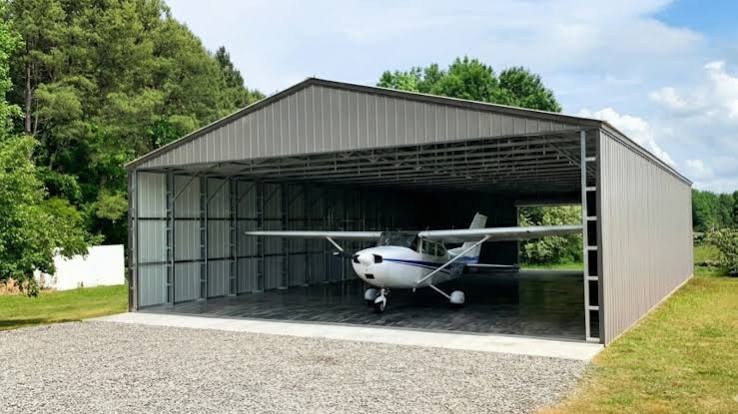
It is like keeping an airplane in the hangar after it is already ready to fly. The aircraft was built to soar, not to remain parked. Likewise, laypeople are ready to minister, but they are often kept waiting.
This creates two serious problems. First, their enthusiasm gradually fades. They entered training with excitement and a desire to serve, but after years of preparation, much of that energy has disappeared. Their “wings” have weakened because they have not been given the opportunity to fly.
Second, by the time they finally complete the training, the momentum that originally motivated them is gone. What began as great passion slowly turns into routine, and many never enter ministry at all. The church unintentionally delays the very people God is calling to serve.
Why does this continue to happen?
One reason is that many churches simply follow established curricula. Three-year training programs have become the standard in many denominations. Often these curricula were developed by denominational headquarters or influential large churches, so local pastors naturally assume they are the best model to follow. Even when pastors recognize that such lengthy programs may no longer be the most effective, they often feel they have few alternatives.
However, today’s situation is very different from that of previous generations. Years ago, many believers had little biblical knowledge or ministry experience, so extended training made sense. Today, many Christians have already studied the Bible, participated in small groups, attended seminars, and gained ministry experience. They do not always need years of additional instruction. What they often need is a change of perspective—a paradigm shift that gives them confidence and opportunity to begin serving.
This is reflected in the way training programs have evolved. What was once a three-year process has gradually become two years, then one year, then six months. Today, many effective ministries can prepare volunteers in only three months.
In the Lay Pastors Ministry, our experience has shown that even shorter training can be highly effective. The PACE training requires only twelve hours, and in many cases I equip participants over two intensive days. Why? Because they are already prepared in many ways. They do not need years in the hangar; they simply need someone to open the door, encourage them, and send them into ministry.
There is another reason some churches continue to emphasize long training. Some hope that by keeping people engaged in a lengthy program, they will remain committed to that local church rather than moving elsewhere. Others point out that Jesus spent approximately three years training His disciples.
While these observations deserve consideration, we must also recognize that ministry takes place within a changing culture. Jesus’ three years with the disciples involved daily life, personal mentoring, practical ministry, and continuous mission—not merely classroom instruction. The principle is not the length of the training but the depth and effectiveness of the preparation.
Today’s laypeople are not the same as they were twenty or thirty years ago. They live in a different world with different expectations and opportunities. As pastors and ministry leaders, we must respond to today’s reality. Our goal should not be to keep people in the hangar but to equip them efficiently, release them confidently, and continue coaching them as they serve.
People often learn to fly by flying.